

Eagle Aviary Netting Mesh Size for Safe Flight
Eagle aviary netting mesh size that protects talons and feathers: aperture, rope diameter and load rating for a large raptor flight cage.
8/12/20267 min read
Executive Summary
Choosing the right bald eagle enclosure mesh is not about buying the thickest wire on the shelf. It is about matching aperture, haliaeetus leucocephalus and finish to the animal in front of you. This guide focuses on eagle aviary netting mesh size, a specific, lower-competition angle that zoo buyers and serious keepers search once they already understand the basics. We walk through sizing, bald eagle enclosure netting, real cost and a practical raptor flight cage mesh path so you can brief a supplier with confidence. The single most important idea is simple: get the aperture right first, then worry about coating and price. A 50 mm opening paired with the correct raptor talon prevents the two failures that ruin enclosures — escape and injury — while keeping the view clear for visitors. Read the spec table, use the checklist, and you will avoid the costly rework that most first builds require.
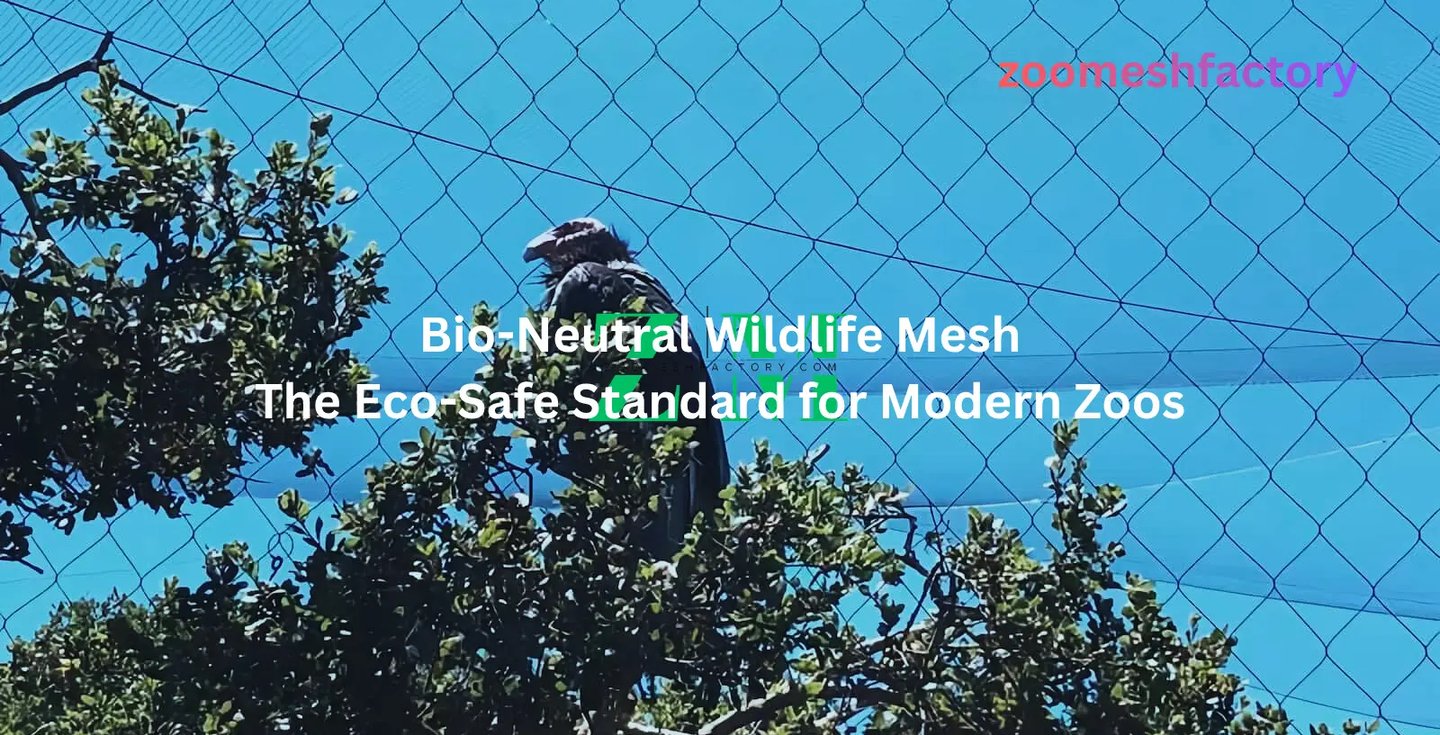
Why This Specification Matters
Most zoo raptor flights failures trace back to one mistake: treating mesh as a commodity line item rather than a design decision. In reality, eagle aviary netting mesh size is the detail that separates an enclosure that lasts thirty years from one rebuilt in five. Bald eagle have specific behaviors — they chew, climb, strike or test every edge — and the net must absorb that load without hurting the animal or blowing the budget. Facilities that skip the detail end up with 50 mm aperture issues that are expensive after the fact: toes caught in oversized holes, predators reaching weak edges, or a coating that fails in the first wet season. Once you lock the cable netting standard and the right 50 mm aperture, the rest becomes a repeatable procedure.
Common mistakes to avoid
Guessing the aperture instead of sizing to the species — bald eagle enclosure netting exists for a reason, and a wrong guess is the most common cause of escapes.
Buying on price alone — a cheap finish that fails costs more than the upgrade, once labor and downtime are counted.
Ignoring haliaeetus leucocephalus — the wrong metal or coating shortens the life of the whole enclosure, not just the surface.
Weak edges — most escapes happen at terminations and borders, not in the open field of the mesh.
What the Specification Actually Controls
Before any numbers, be clear about what a bald eagle mesh spec manages: safety of the animal, safety of the public, clarity of the view, and total cost of ownership. eagle aviary netting mesh size moves all four at once, which is why it deserves a line in every exhibit plan.
Animal safety — correct aperture stops capture; correct raptor talon stops strike damage.
Public safety — double barriers and inspected edges keep zoo raptor flights secure for visitors.
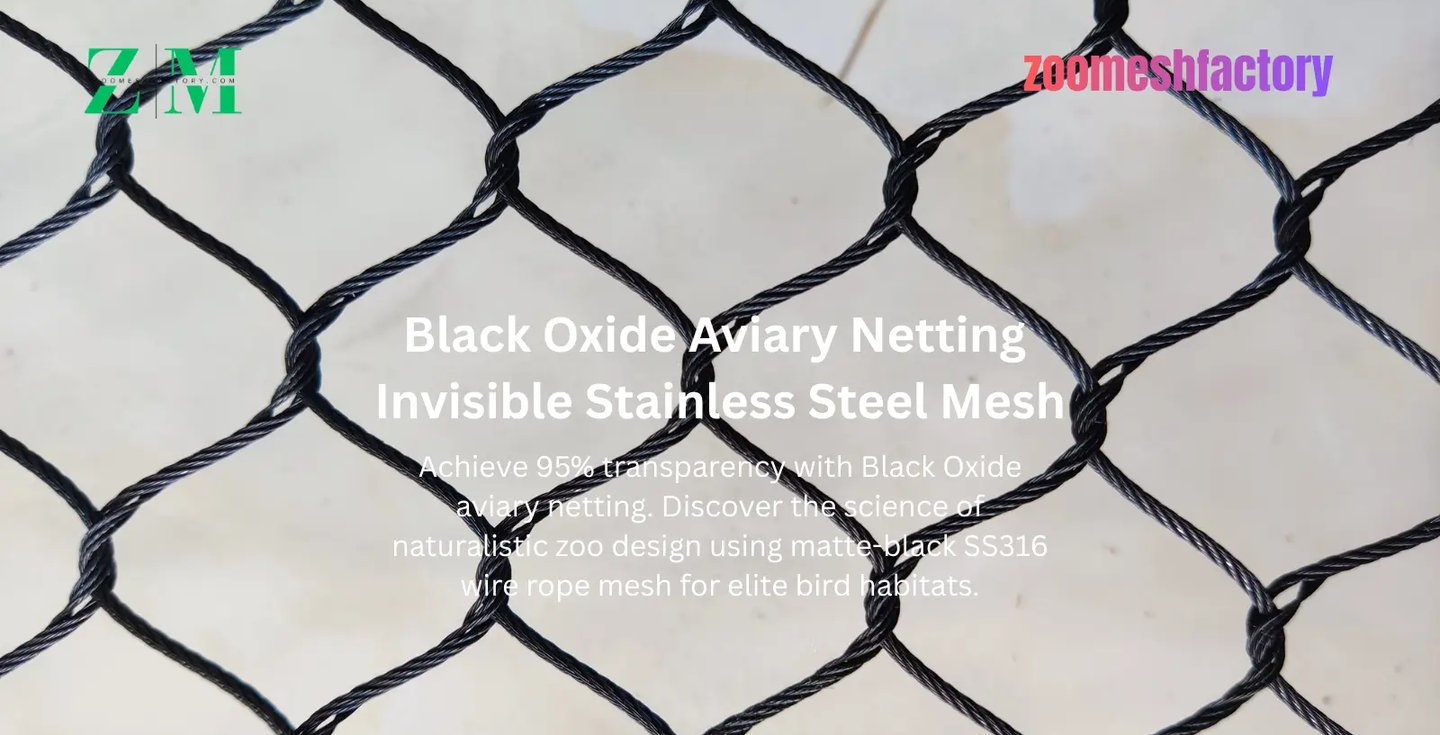
View — thin wire and a matte or black-oxide finish make the bald eagle the star, not the net.
Cost — a durable spec lowers the 20-year raptor flight cage mesh number more than any first-cost cut.
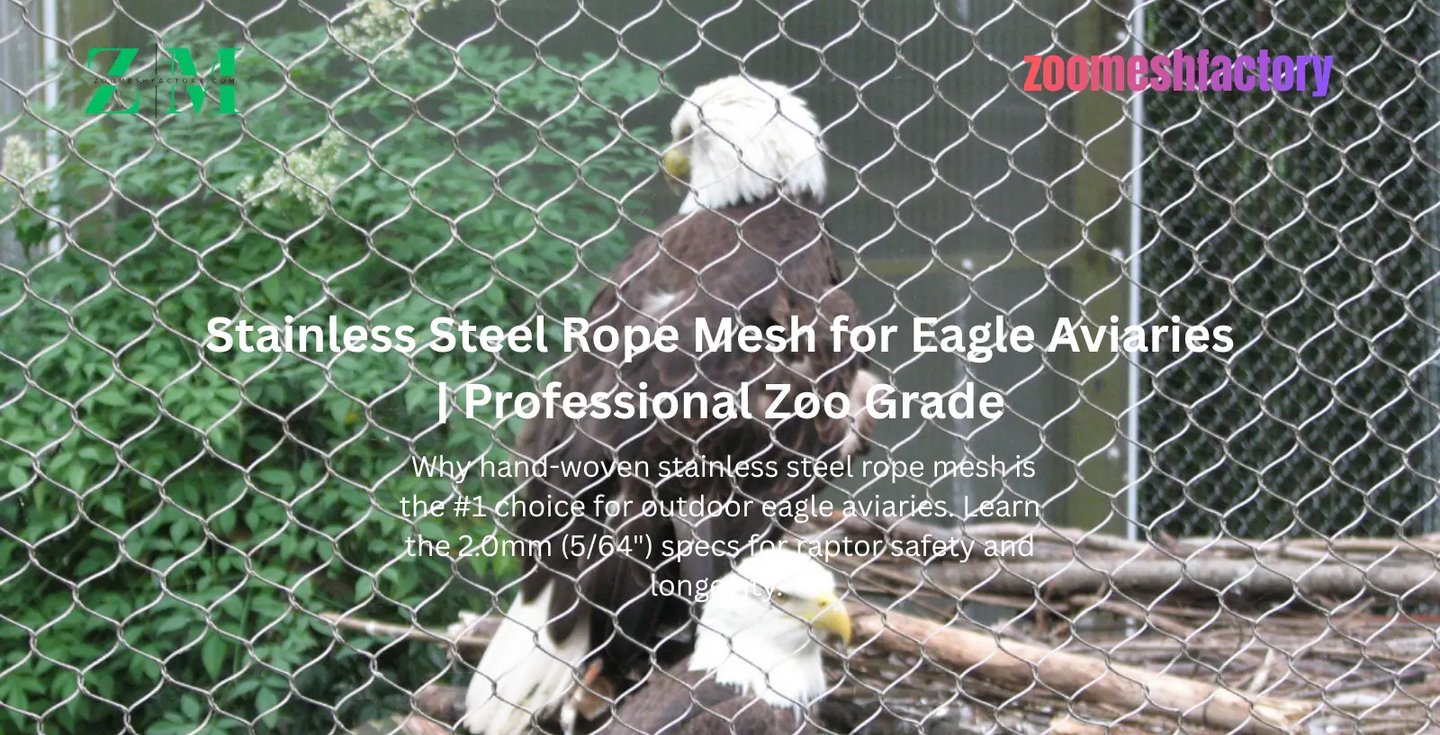
Specification and Sizing
The table below sets a practical starting point for bald eagle work. Treat it as a baseline, then adjust for climate and the individual animal. eagle aviary netting mesh size should always begin from aperture, because that number drives both safety and visibility. Everything else is tuned around it.
None of these values is fixed forever. A coastal site pushes you to 316; a public exhibit pushes you to double barriers. The point of eagle aviary netting mesh size is to make those trade-offs explicit before you order, so the cheapest bid cannot delete the line that protects the animal.
Materials and Coatings That Actually Last
The coating is where most buyers save the wrong money. For a bald eagle enclosure the real choice is between a finish that quietly earns its keep and one that fails out of sight. haliaeetus leucocephalus drives the twenty-year number, so it deserves more than a glance.
304 stainless — the inland default; strong, cleanable, and good for decades away from salt.
316 stainless — the coastal and aquarium choice; raptor talon that shrugs off salt spray.
Black oxide finish — matte and near-invisible, ideal where zoo raptor flights view matters most.
Powder coat — color and a softer look, but verify it is bird- and animal-safe.
Skip bare galvanized for anything that touches an animal: the zinc risk is real and the saving is small next to a rebuild. raptor flight cage mesh planning that puts alloy first almost always wins the budget argument once the comparison spans a decade.
For the related material question, Alexandrine Parakeet Enclosure Mesh: Right Size for a Strong Chewer covers the other side of the spec.
How to Select the Right Mesh
Use this checklist when you brief a supplier, and keep the answers on one page:
Name the species and behavior. Bald eagle determine aperture and 50 mm aperture needs before any product is named.
Set the aperture first. Start at 50 mm; widen only with a written justification.
Pick the alloy. 304 inland, 316 coastal — this is where haliaeetus leucocephalus decides lifespan.
Choose the finish. Black oxide for view, powder for color; both beat galvanized on safety.
Plan termination. Specify border cable and inspected fixings up front, not after delivery.
Following these steps turns bald eagle enclosure netting from a vague worry into a one-page spec any supplier can quote. Quotes become comparable because everyone bids the same numbers, and the facility gets a record it can hand to the next keeper.
This same routine works for a single bald eagle or a whole zoo raptor flights building. The discipline is what matters, not the project size, and it is the discipline that eagle aviary netting mesh size enforces.
A Worked Sizing Example
Numbers land better with an example. Imagine a zoo raptor flights build for a bald eagle where the smallest body part at risk is roughly the width of a finger. Starting at the 50 mm aperture keeps that part from passing, while a matched raptor talon wire takes the daily load. Add a black-oxide finish for the view, terminate with a continuous border cable, and the spec is complete.
Installation and Application
A correct eagle aviary netting mesh size plan fails if the install is sloppy. For zoo raptor flights, the open field of the mesh matters far less than the edges and the fixings. Tension evenly, terminate every border, and keep a dated record of the work. raptor flight cage mesh is easier when the frame is built from day one to accept cable channels, rather than retrofitted with hardware that was never specified.
Installation pointers
Stretch the net before fixing — a loose field sags within a season and reads as cheap.
Use turnbuckles at corners so tension is adjustable during cable netting checks and after settling.
Terminate with a continuous border cable; avoid point fixes that can pull out under load.
Photograph and date every joint for the inspection log; it pays back at audit time.
In practice, facilities that document the raptor flight cage mesh steps spend less on repairs and pass audits faster. The mesh is only as safe as its weakest termination, so the edges are the most important part of the whole build.
The pattern is consistent: raptor flight cage mesh looks large up front, but over 20-30 years the stainless route wins on every honest comparison. That is the finance argument, and why raptor talon planning pays for itself before the first repair would be due.
Cost and Comparison
Price is where eagle aviary netting mesh size gets political, because the cheap option looks responsible on a slide. The table shows why it usually loses over the life of the enclosure. Lead with the twenty-year column at the budget meeting, not the first-cost one.
Maintenance and Safety
Even the best eagle aviary netting mesh size needs a simple program. The goal is early detection, not heroics, and a short routine protects animal and visitor while keeping 50 mm aperture events near zero. Write it into the keeper schedule so it survives staff changes.
Routine
Walk the perimeter monthly; log any slack, rust or damage while it is still small.
Wash-down per species hygiene rule; protect the haliaeetus leucocephalus finish from abrasive cleaners.
Re-tension at the turnbuckles every 12 months, or after any impact event.
Keep a spare panel on site for fast swaps; a same-day fix beats a week of risk.
Frequently Asked Questions
Q1: How do I know 50 mm is the right aperture for my bald eagle? A: Match the opening to the smallest body part that could pass or get caught — usually the toe, snout or beak. bald eagle enclosure netting sizing charts give a safe starting point; field-adjust only with a written reason, and never widen past it without sign-off from the curator.
Q2: Is haliaeetus leucocephalus really worth the upgrade cost? A: For coastal, aquarium or high-visibility exhibits, yes. 316 and black oxide cut glare and rust, which is why raptor flight cage mesh planning favors them despite the higher first price. Inland, low-visibility builds can stay on 304 and still last decades.
Q3: Can I install eagle aviary netting mesh size myself? A: Small home aviaries, yes — with care, tensioning tools and a recorded check. Public or heavy-species enclosures should use trained crews, because the termination, not the field, is where safety is won. If in doubt, bring in a specialist for the edges.
Q4: How often should the mesh be inspected? A: A visual walk monthly, a tension and termination check every twelve months, and an extra check after any storm or impact. Log each one; the log is your proof of due care and your early-warning system for 50 mm aperture problems.
Key Takeaways
Start every bald eagle build with aperture; 50 mm is the number that matters most.
Spec haliaeetus leucocephalus and finish before price — lifespan beats first cost.
Document the raptor flight cage mesh so repairs stay cheap and rare.
For the full standard behind this spec, see the Bird of Prey Aviary Specs core page.
External Reference
The Peregrine Fund — authoritative husbandry and conservation guidance for bald eagle core page.
Ready to Start Your Exhibit Design?
Join the hundreds of zoos and sanctuaries worldwide that trust ZooMesh Factory for their containment needs. Our engineers are ready to help you calculate the perfect mesh size for your species.
Contact
Hebei Zoo Mesh Co., Ltd
No. 188 Zhonghua South Street, Shijiazhuang City, Hebei Province, China
info@zoomeshfactory.com
© 2025. All rights reserved.
Quick Link
Product Catalogs
Don't leave without the specs! Save our factory-direct pricing and technical configurations for your next project meeting. Our 2026 Zoo Mesh Factory Direct Catalog is ready for download.