

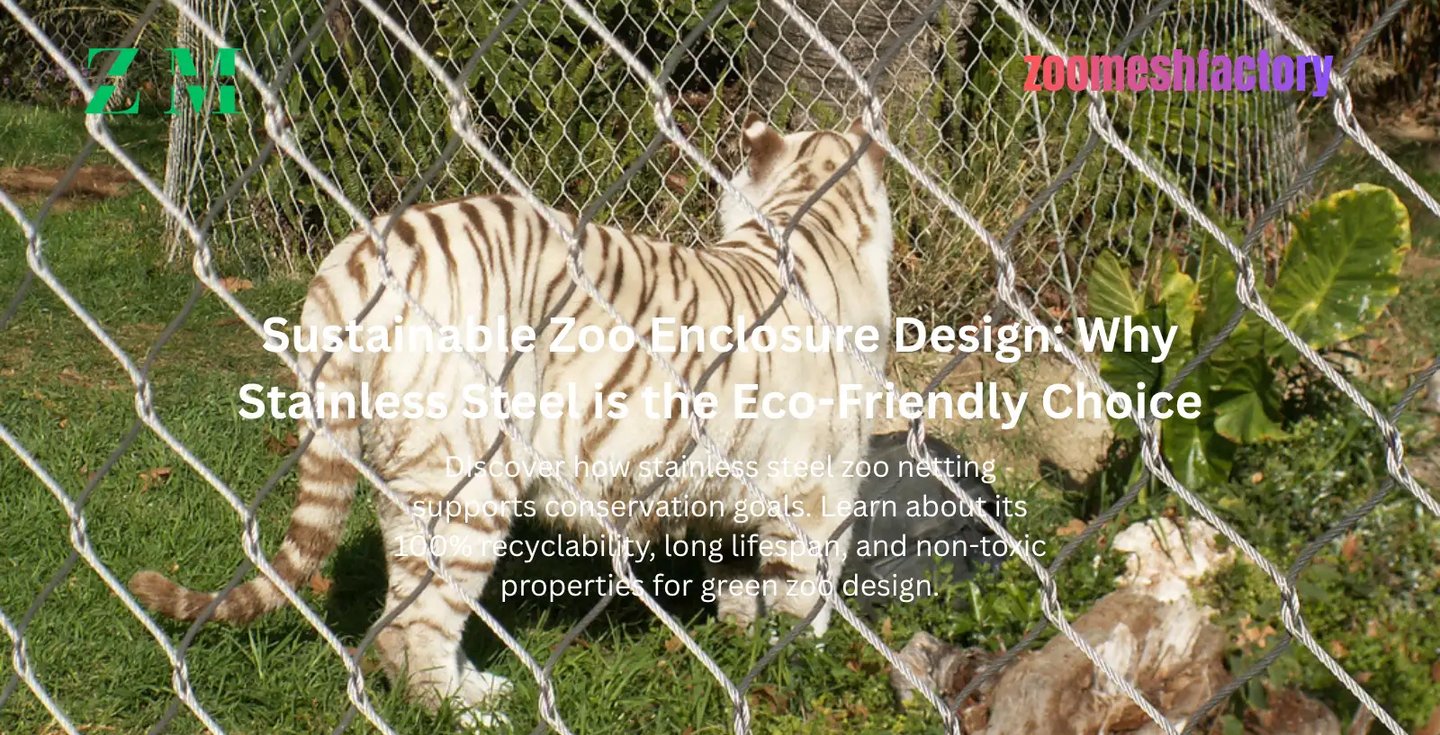
Sustainable Zoo Enclosure Design: Why Stainless Steel is the Eco-Friendly Choice
Discover how stainless steel zoo netting supports conservation goals. Learn about its 100% recyclability, long lifespan, and non-toxic properties for green zoo design.
Hebei Zoo Mesh Co., Ltd
4/25/20268 min read
The Sustainable Choice: In modern zoo architecture, sustainability is measured by longevity and material toxicity. Stainless steel cable mesh is considered the most eco-friendly zoo netting because it is 100% recyclable, contains up to 60% recycled content, and eliminates the need for toxic anti-rust coatings (zinc/lead) found in galvanized products. With a 30+ year lifespan, it reduces the carbon footprint of an exhibit by preventing the "Rip-and-Replace" cycle of inferior materials.
I. Introduction: The Rise of the "Green Zoo"
For decades, the zoo industry focused on animal health, visitor engagement, and education. Today, a fourth pillar has emerged: Environmental Responsibility. Modern zoos are no longer just places where we house animals; they are conservation centers committed to protecting the very ecosystems their inhabitants come from.
However, there has long been a disconnect between the mission of a zoo and its infrastructure. We see "Green" zoos building enclosures with materials that require chemical coatings, heavy maintenance, and full replacement every decade. This "disposable" approach to construction is inherently contradictory to the goals of conservation.
When we talk about sustainable infrastructure in zoological settings, we aren't just talking about energy-efficient lights in a gift shop. We are talking about the embodied carbon of the enclosure itself. True sustainability requires us to move away from materials that leach toxins into the soil and end up in landfills, and instead embrace circular, long-life, and non-toxic materials. Conservation begins with the building blocks we choose to use.
Our ultimate zoo mesh guide integrates sustainability, cost and visual design for all habitat types.
II. The Lifecycle Assessment (LCA) of Zoo Netting
To understand the environmental impact of your zoo, you cannot look at the price tag at the time of purchase. You must look at the Lifecycle Assessment (LCA). The LCA measures the total impact of a material from raw material extraction to final disposal.
Carbon Footprint: The "One-Time" vs. "Repeated" Impact
There is a common misconception that stainless steel has a high carbon footprint because it is energy-intensive to produce. However, this ignores the "replacement frequency" variable.
Galvanized/Traditional Mesh: Requires high-energy manufacturing, chemical galvanizing (which creates hazardous waste), and then, every 7–10 years, the entire process is repeated. That means producing, transporting, and installing three full sets of materials over a 20-year period.
Stainless Steel: While initial production is energy-intensive, you only do it once. Because it resists corrosion indefinitely, you eliminate the carbon cost of manufacturing, shipping, and installing replacement mesh for at least 30 to 40 years.
Waste Reduction: Stopping the "Rip-and-Replace" Cycle
The amount of metal waste generated by failing, corroded enclosures is staggering. When a galvanized enclosure reaches its "end of life," it is rarely recycled effectively because of the zinc/lead-based coatings that contaminate the scrap metal. It often ends up in a landfill. By choosing a material that is designed to last the duration of a zoo's master plan, we drastically reduce the volume of industrial waste generated by zoological facilities.
Our hand-woven stainless steel cable mesh is designed to last 30+ years, drastically lowering total lifetime waste and helping your facility meet its long-term environmental targets."
III. Non-Toxicity and Animal Welfare
In the world of modern zoo design, the materials that hold the animals must be as safe as the enrichment they provide. Often, the hidden dangers in exhibit construction are the chemicals used to make cheap netting look or last longer.
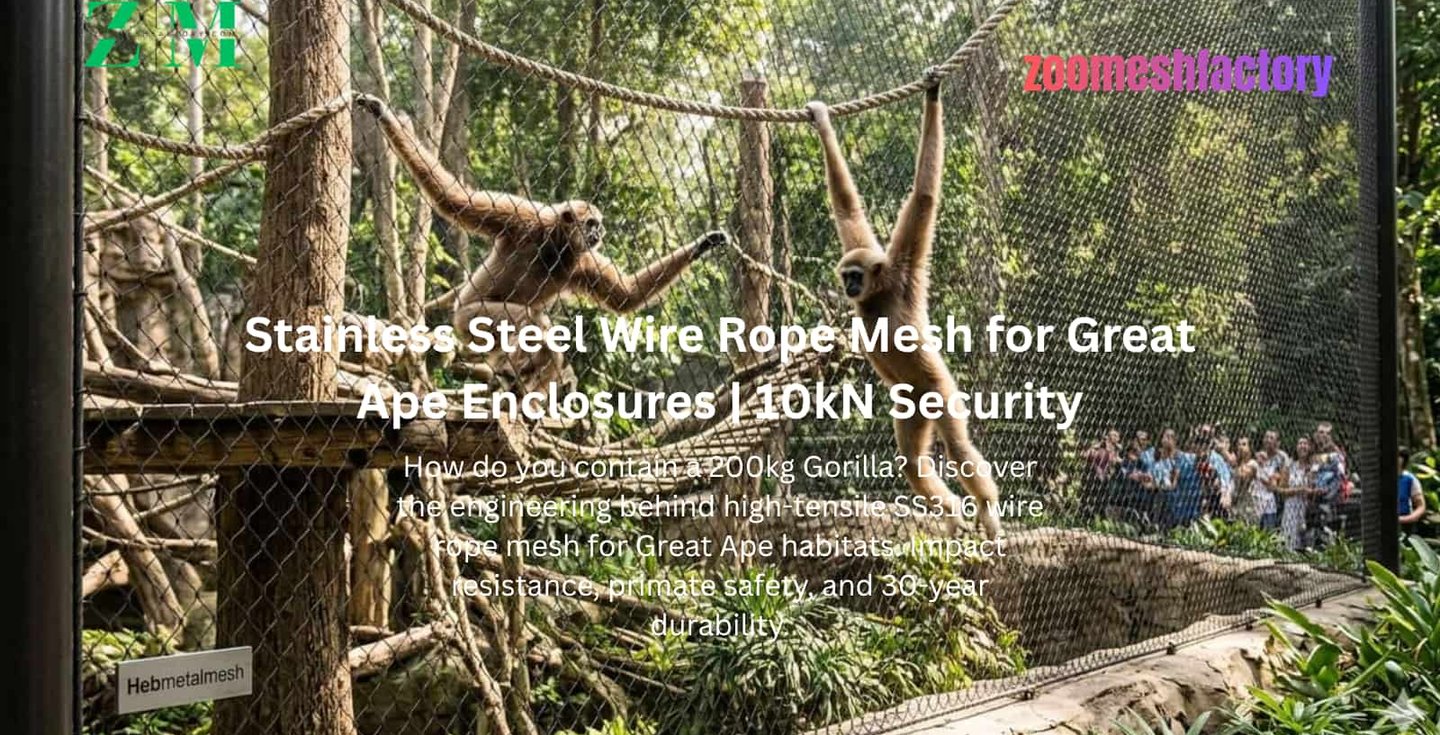
When designing an immersive primate exhibit, the barrier you choose makes all the difference. Our in-depth monkey enclosure mesh buyer's guide walks you through specifications, installation methods, and real-world factory insights.
The Hidden Danger of Zinc Leaching
Galvanized wire is coated in zinc to prevent rust. While effective in the short term, zinc is a heavy metal that eventually leaches. When rain or cleaning water washes over galvanized surfaces, it carries dissolved zinc into the enclosure’s soil and drainage systems. For small animals, birds, or amphibians, this runoff can be toxic, accumulating in the environment and eventually in the animals themselves. Choosing stainless steel eliminates this risk entirely, ensuring that the water your animals drink and the soil they forage in remain free of industrial runoff.
Biocompatibility: Medicine Meets Architecture
Stainless steel is "biocompatible," which is why it is the gold standard for surgical instruments and implants. It is chemically inert, meaning it doesn't react with the biological environment. When you use stainless steel in an exhibit, you are choosing a material that is literally safe enough for the operating room. This is the level of safety high-end zoos demand to ensure that natural behaviors—like climbing, gnawing, or perching—don't lead to chemical ingestion or skin irritation.
Black Oxide vs. PVC Coatings
To make netting less visible to visitors, many manufacturers offer plastic-coated (PVC) wires. However, PVC is a major source of microplastics. Over time, UV exposure causes plastic coatings to crack, peel, and flake off into the enclosure, creating a permanent environmental hazard for the animals and the facility's cleanup crew.
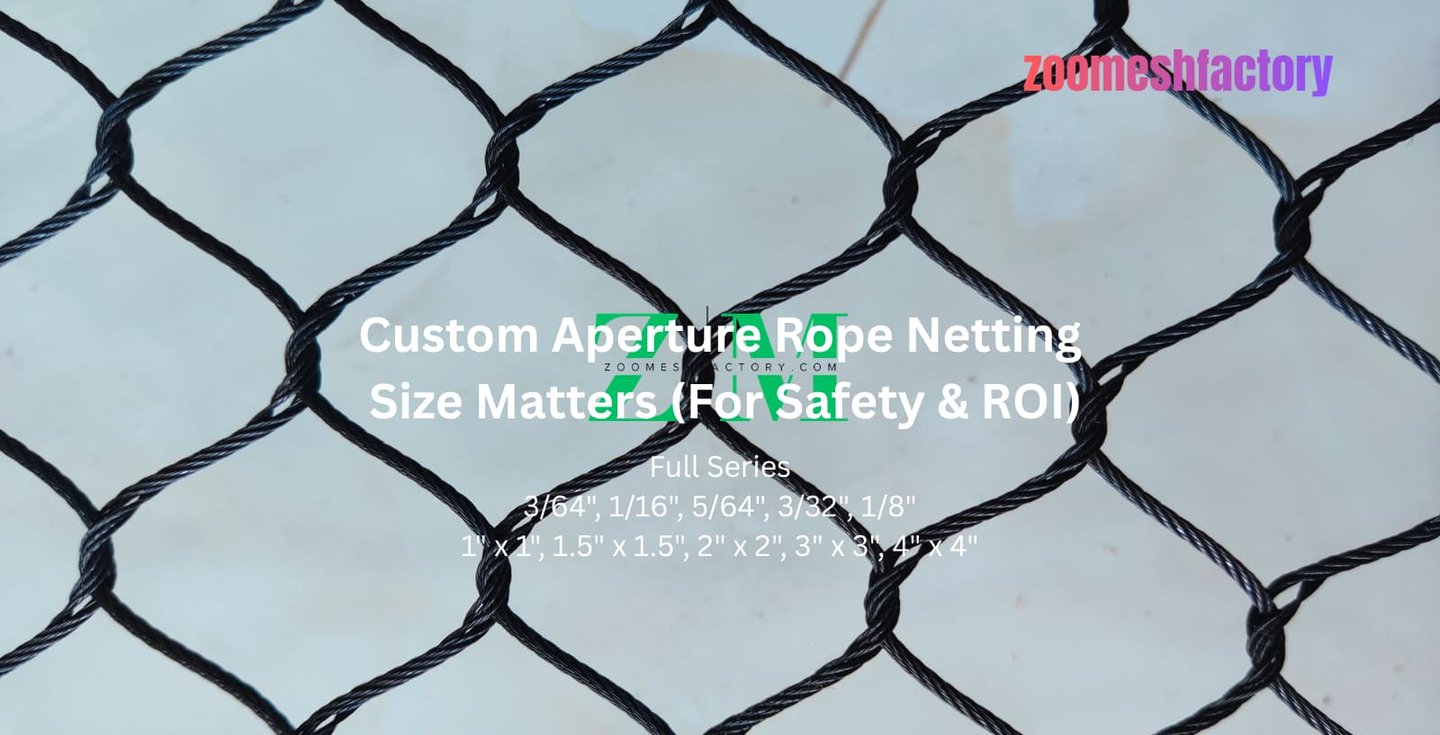
In contrast, our Black Oxide finish is a chemical process that alters the surface of the steel itself. It doesn't "coat" the wire; it darkens it. There is nothing to peel, flake, or chip. It provides the same aesthetic "invisibility" without introducing a single gram of plastic into the habitat.
We pride ourselves on environmental integrity. View our independent material certifications for non-toxic exhibit design.
IV. Recyclability: A Circular Economy in the Zoo
Sustainability is not just about what you buy; it’s about what you leave behind. A truly sustainable zoo exhibit is designed with its "end-of-life" in mind.
To prevent premature corrosion in high-humidity or salt-air environments, it is vital to specify the correct stainless steel grade—learn the key differences between 304 and 316 and how to properly maintain your zoo netting to ensure a 30-year service life.
The Circular Economy
When an exhibit is renovated after 20 or 30 years, what happens to the materials? With plastic netting or composite materials, the result is almost always a landfill. Stainless steel, however, is a cornerstone of the Circular Economy. It has a high scrap value and is 100% recyclable. Even after decades of use in a zoo, your stainless steel mesh doesn't become "trash"—it becomes a valuable resource that can be melted down and repurposed into new steel products.
Selling the "Scrap Value" to Boards and Donors
When presenting your budget to a zoo board or a group of sustainability-focused donors, frame the investment in terms of total cost of ownership (TCO) and residual value. * "Cheap" materials are an expense that vanishes into the trash.
Stainless steel is a capital asset.
You can confidently tell your donors that the infrastructure they are funding today will not only last for a generation but will retain its material value even at the end of its service life. This narrative—that the enclosure itself is a recycled-content, fully-recyclable asset—is exactly what modern "Green Grants" and sustainability committees are looking for.
Are you planning a major exhibit overhaul? For large-scale aviaries, see our technical specifications for details on our recycled steel content and low-impact production methods.
See the Guide of The Gold Standard for Apex Predator Enclosures
V. Financial Sustainability (The "S" in ESG)
In the world of non-profit zoological institutions, "sustainability" often carries a double meaning: it refers to both ecological impact and long-term financial viability.
Long-Term Stability via Upfront Investment
Non-profit boards are tasked with managing donor funds effectively. Choosing "cheap" materials—like galvanized steel or synthetic netting—creates a future liability. These materials demand frequent maintenance budgets, periodic rust treatment, and eventual total replacement, creating a "drain" on your operating budget every decade.
By contrast, choosing stainless steel is an act of financial stewardship. By investing in a high-grade material once, you lock in your infrastructure costs for 30+ years. This predictability allows you to allocate future funds toward animal welfare, education programs, and conservation efforts rather than recurring maintenance.
Attracting "Green Grants"
Many municipal and private grants are now strictly reserved for projects that meet high ESG (Environmental, Social, and Governance) standards. Funding bodies are increasingly auditing the embodied carbon and material lifecycle of capital projects. By explicitly detailing that your enclosures use recyclable, non-toxic, and long-life stainless steel, you satisfy the criteria for green infrastructure grants. Showing that you have optimized for a low carbon footprint can often make the difference between a project being "eligible" or "ineligible" for restricted conservation funding.
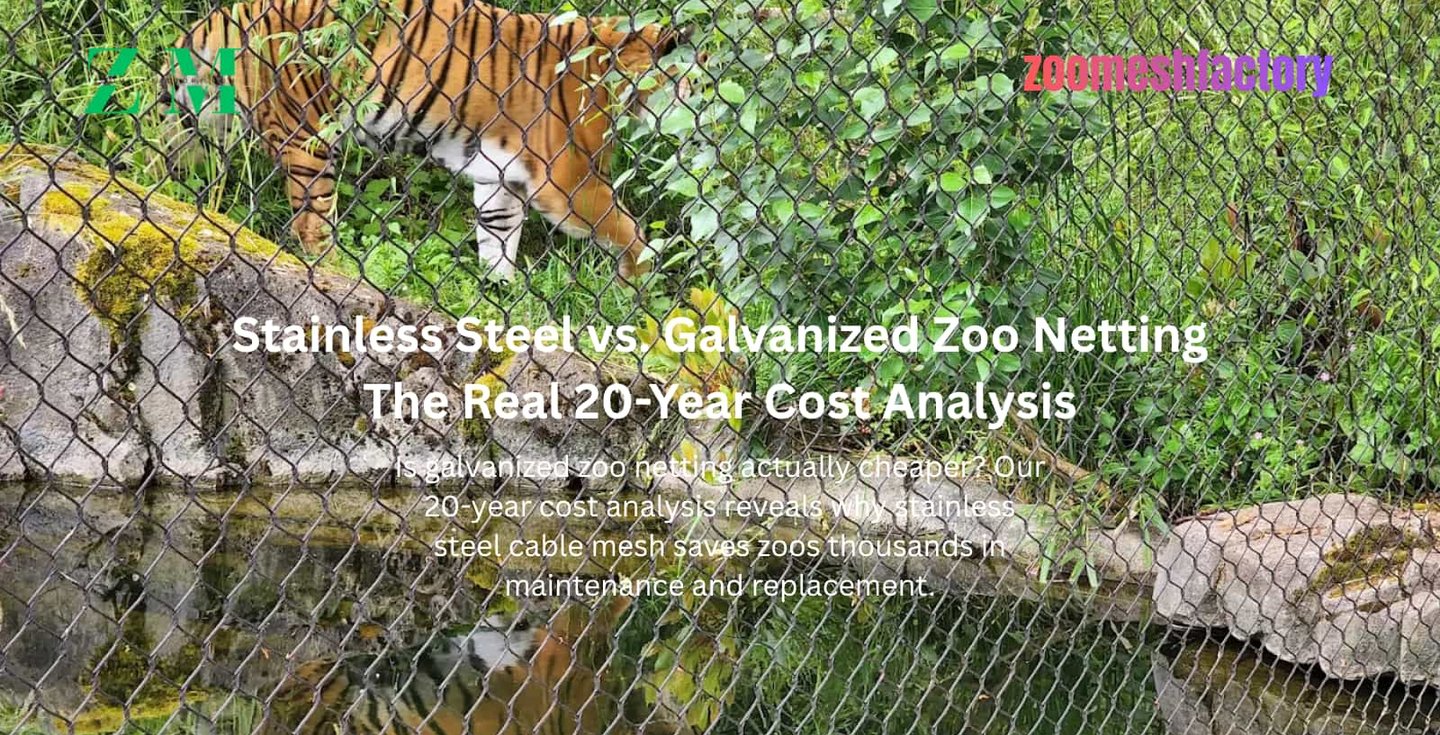
The data speaks for itself. Review the long-term ROI in our guide: stainless steel vs galvanized zoo netting cost.
VI. Case Study: The Zero-Waste Exhibit
Consider the case of a mid-sized North American zoo that recently undertook a "Master Plan" renovation. Their goal was to build a new multi-species enclosure that would house endangered primates while achieving "Zero-Waste Construction" certification.
The Challenge
The zoo’s engineering team originally proposed galvanized wire mesh to keep costs low. However, their sustainability committee flagged the project for failing to meet the zoo's commitment to reducing heavy-metal leaching and minimizing landfill waste.
The Solution: The 100% Recyclable Enclosure
The zoo pivoted to hand-woven 316-grade stainless steel cable mesh. By selecting this material, the project achieved:
Material Neutrality: The chosen mesh contained 60% recycled content from industrial suppliers.
End-of-Life Guarantee: The zoo documented the material as 100% recyclable, ensuring that when the exhibit is eventually renovated decades from now, the mesh can be repurposed rather than landfilled.
Environmental Compliance: Because the stainless steel is inert and requires no chemical coatings, the project was able to bypass the environmental remediation costs associated with toxic runoff monitoring.
The result was an exhibit that became a centerpiece for donor tours, allowing the zoo to highlight not just the animals, but the sustainable technology that protects them. This level of transparency in procurement is exactly what modern zoo visitors and donors expect.
Want to apply these sustainable principles to your bird habitats? Read our guide on best aviary netting specifications for birds of prey.
VII. FAQ: Sustainability and Environmental Impact
As zoos move toward "Green Master Plans," we receive frequent questions about how our materials align with conservation and ESG goals.
1. Is stainless steel mesh better for the environment than plastic netting?
Yes, significantly. While plastic (nylon/polyethylene) netting may seem "softer," it is a petroleum-based product that degrades under UV light, eventually cracking and shedding microplastics into the zoo's soil and water. Stainless steel is a chemically inert, non-leaching, and durable material that avoids plastic pollution entirely.
2. How does the production of stainless steel impact its eco-friendliness?
While the initial production of steel is energy-intensive, it is a "long-horizon" investment. The environmental impact of producing one stainless steel enclosure that lasts 30+ years is a fraction of the impact of producing, shipping, and installing 3–4 replacement sets of "cheaper," non-recyclable materials over the same period.
3. Can old stainless steel zoo mesh be recycled?
Absolutely. Unlike galvanized or plastic-coated wires—which are often impossible to recycle due to toxic chemical contamination—our 316 and 304-grade stainless steel is 100% recyclable. It retains high scrap value and can be processed into new steel products, closing the loop in a truly circular economy.
4. Does the "Black Oxide" finish harm the environment?
No. Unlike PVC or plastic powder coatings, which flake off and introduce toxins into the habitat, Black Oxide is a chemical conversion coating. It bonds with the surface of the steel, meaning it cannot peel or flake off. It is the safest, most environmentally friendly way to eliminate glare in an enclosure.
5. Why is stainless steel considered "Biocompatible"?
Biocompatibility means the material does not cause a toxic or immunological reaction when in contact with living tissue. Because it does not leach heavy metals (like the zinc found in galvanized netting), stainless steel is safe for the most sensitive animals, including amphibians and reptiles, who are highly susceptible to environmental toxins.
New to the installation process? Learn the best practices for handling these materials safely in our guide: .
Interested in the long-term cost benefits for your facility? View our .
Ready to Start Your Exhibit Design?
Join the hundreds of zoos and sanctuaries worldwide that trust ZooMesh Factory for their containment needs. Our engineers are ready to help you calculate the perfect mesh size for your species.
Contact
Hebei Zoo Mesh Co., Ltd
No. 188 Zhonghua South Street, Shijiazhuang City, Hebei Province, China
info@zoomeshfactory.com
© 2025. All rights reserved.
Quick Link
Product Catalogs
Don't leave without the specs! Save our factory-direct pricing and technical configurations for your next project meeting. Our 2026 Zoo Mesh Factory Direct Catalog is ready for download.