
Aviary Fencing That Lasts 30+ Years – No Rust, No Toxins, No Regrets
Choosing the wrong aviary fencing costs you birds, time, and money. Learn why stainless steel mesh outlasts galvanized wire by 30+ years, eliminates zinc poisoning risks, and delivers the lowest total cost of ownership for US and European buyers.
Hebei Zoo Mesh Co., Ltd
7/6/20268 min read
Bottom line up front: Galvanized wire aviary fencing rusts within 2–5 years and can poison your birds with zinc. Stainless steel rope mesh lasts 30+ years, delivers up to 1,600 lbs tensile strength, requires zero maintenance, and protects birds from predators, UV degradation, and corrosion. For zoos, sanctuaries, and serious aviary owners, the higher upfront cost pays for itself many times over in avoided replacement labor, veterinary bills, and bird stress. This guide covers everything you need to know—from mesh aperture selection by species to installation best practices and total cost of ownership.
When it comes to aviary fencing, the choice you make today will affect your birds' health, safety, and your budget for the next three decades. Whether you're a zoo curator, a commercial poultry operator, or a serious hobbyist in the US or Europe, the fencing you select is the single most critical decision in enclosure design.
The days of chicken wire and cheap galvanized mesh are over. Modern stainless steel aviary mesh offers a combination of strength, safety, and longevity that simply cannot be matched by traditional materials. This guide walks you through everything you need to know—from material science to installation—so you can make an informed procurement decision.
KEY TAKEAWAYS
Material matters more than price. Stainless steel (304/316 grade) outperforms galvanized wire in every metric—longevity, safety, and strength.
Zinc poisoning is real. Hook-billed birds like parrots and macaws ingest zinc from galvanized mesh while climbing. Stainless steel is completely non-toxic.
30+ year lifespan vs. 2–5 years for galvanized. The total cost of ownership is dramatically lower with stainless.
Predator-proof requires planning. Aerial and ground predators demand full roofing and buried barriers—not just side mesh.
Mesh aperture size is species-specific. Finches need ½" openings; macaws can use 1"–1.5" with heavier gauge
Understanding Aviary Fencing Materials
Stainless Steel Aviary Fencing — The Gold Standard
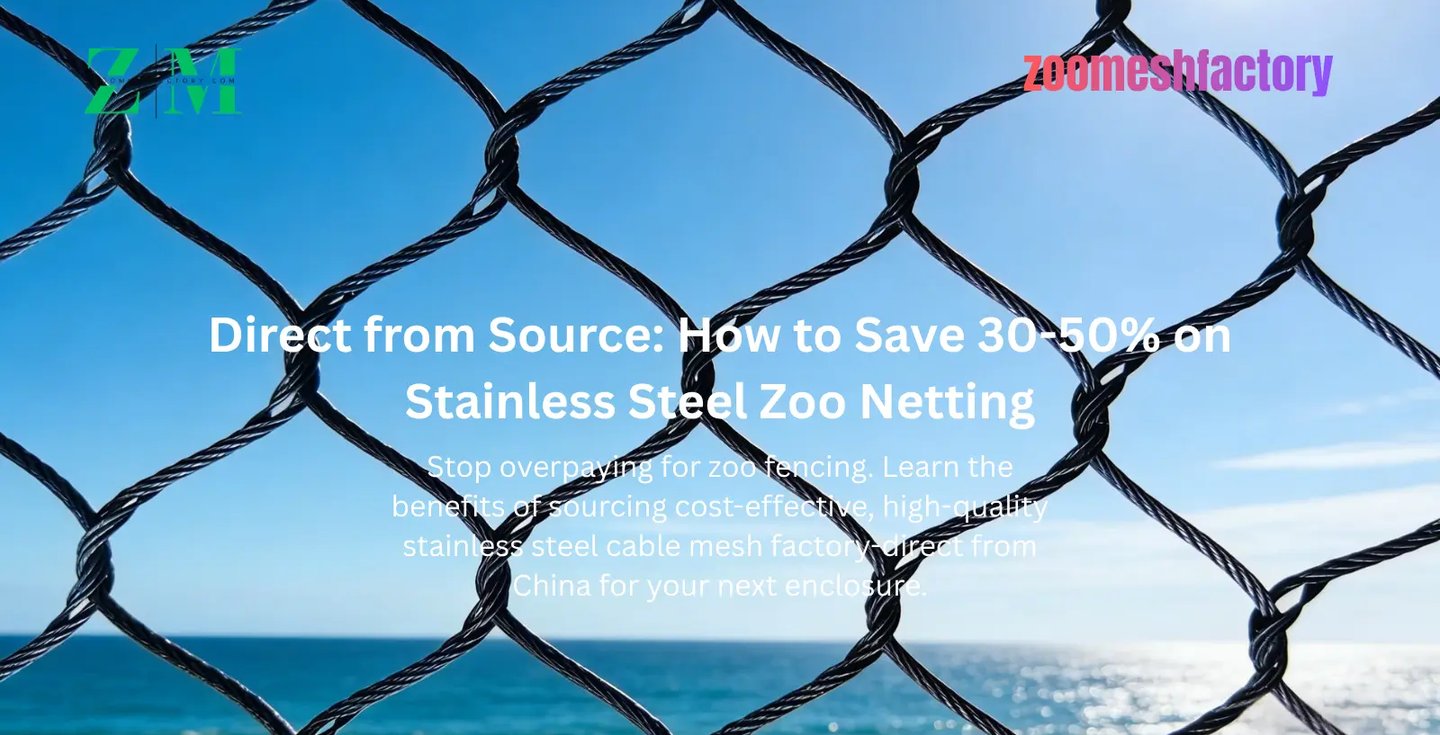
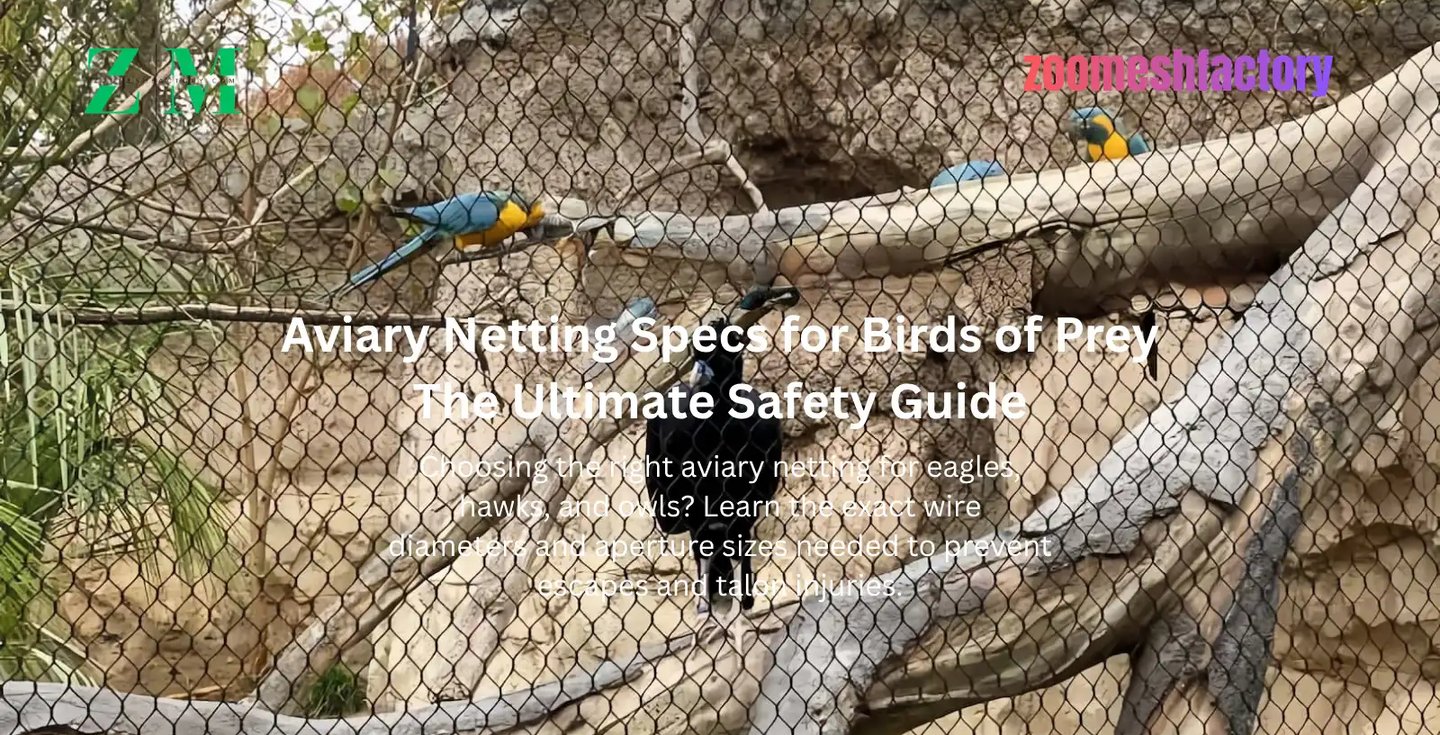
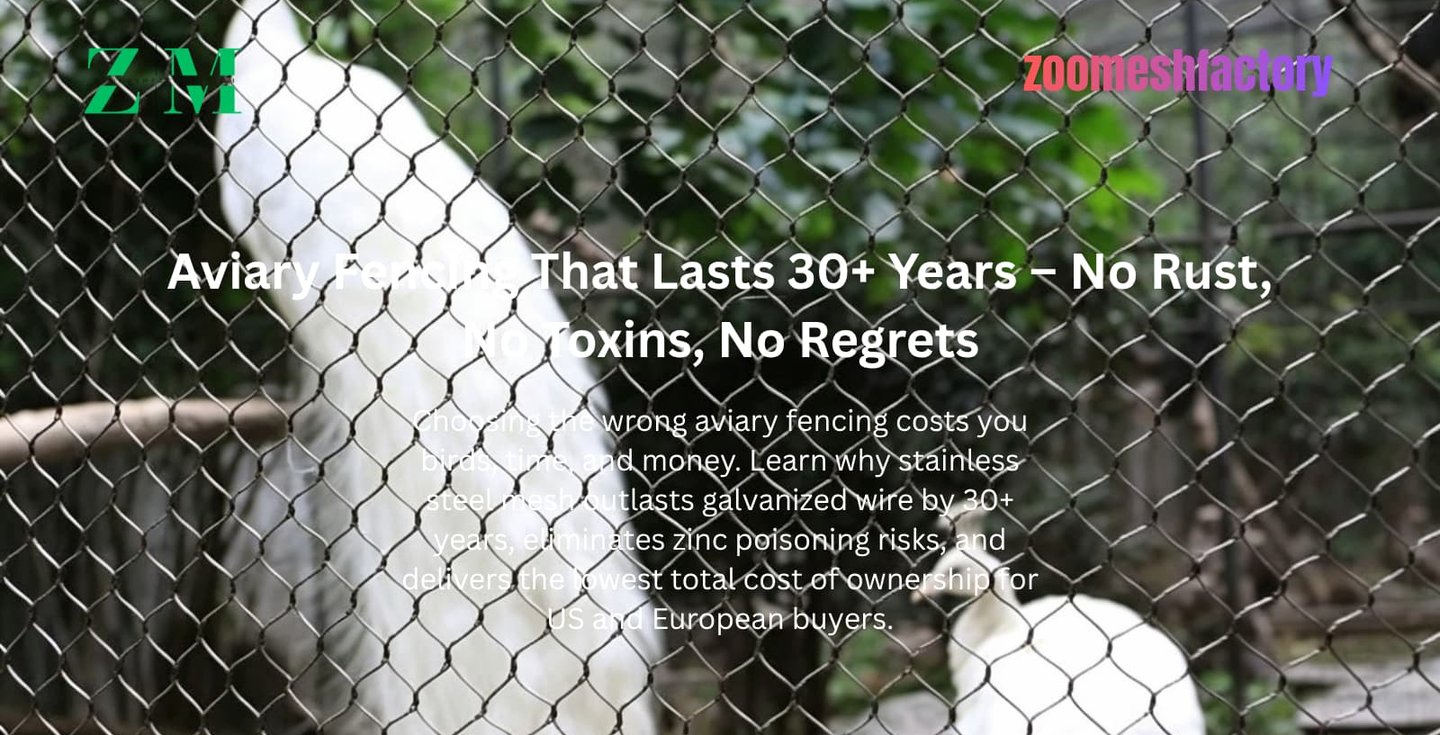
Stainless steel rope mesh is widely regarded as the premium choice for professional aviaries and zoo enclosures.Constructed from high-quality stainless steel wire rope (grades 304, 316, or 316L), this material exhibits strong anti-corrosion and anti-ultraviolet characteristics, making it ideal for long-lasting performance even in harsh environments.
Key advantages:
30+ year lifespan — rust-resistant and virtually maintenance-free
Non-toxic — eliminates zinc poisoning risks for hook-billed birds
High tensile strength — up to 1,600 lbs breaking load
Flexible installation — hand-woven interlocking technique creates diamond-shaped openings that can curve and adapt to any structure
Resists chewing — rodents and pests cannot penetrate stainless steel cable mesh
Two primary construction methods exist for stainless steel aviary mesh:
Plain weave (knotted) : Stainless steel ropes woven together to create a flexible, strong structure
Ferrule connection (knotless) : Ropes connected using stainless steel ferrules, forming a diamond-shaped aperture with enhanced stability
Both are available in 304 (inland environments) and 316 (coastal/salt-spray environments) grades.
Galvanized Wire Mesh — Affordable but with Trade-offs
Galvanized wire mesh costs less upfront but carries significant hidden costs. The zinc coating that prevents rust eventually flakes off, exposing bare steel to corrosion. Within 2–5 years, galvanized mesh shows rust and structural weakness.
More critically, zinc poisoning is a severe health risk for parrots, macaws, and other hook-billed birds that use their beaks to climb. Ingesting zinc flakes can be fatal. For this reason alone, many zoos and sanctuaries have banned galvanized mesh from bird enclosures.
Polypropylene / Plastic Netting — Lightweight Option
Plastic netting is cheap and lightweight but offers limited durability. UV exposure makes it brittle within 2–3 years, and birds can easily peck through it. It offers minimal predator protection and is not suitable for permanent aviaries.
PVC-Coated Wire Mesh — Middle-Ground Solution
PVC-coated wire offers better corrosion resistance than bare galvanized wire, but the coating can be damaged by bird beaks, exposing the underlying steel to rust. It's a compromise material—better than galvanized, but not in the same league as stainless steel.
If you prioritize invisible, glare-free habitat design, discover our black oxide decorative aviary mesh solutions.
H2: Key Selection Criteria for Aviary Fencing
H3: Bird Species Considerations
Mesh aperture size is the first specification to determine. The opening must be small enough to contain your birds safely while large enough to maintain airflow and visibility.
Beak strength and climbing behavior also matter. Hook-billed birds like macaws require heavier gauge wire (3.2 mm or more) to withstand chewing and climbing pressure.
Environmental Factors
Coastal installations demand 316 stainless steel for its molybdenum content, which provides superior resistance to salt-spray corrosion.Inland environments can use 304 stainless steel, which offers excellent corrosion resistance at a slightly lower cost.
UV exposure is another critical factor. Stainless steel mesh resists UV degradation indefinitely, whereas polypropylene netting becomes brittle within 2–3 years, and PVC coatings can crack and peel.
Security Requirements
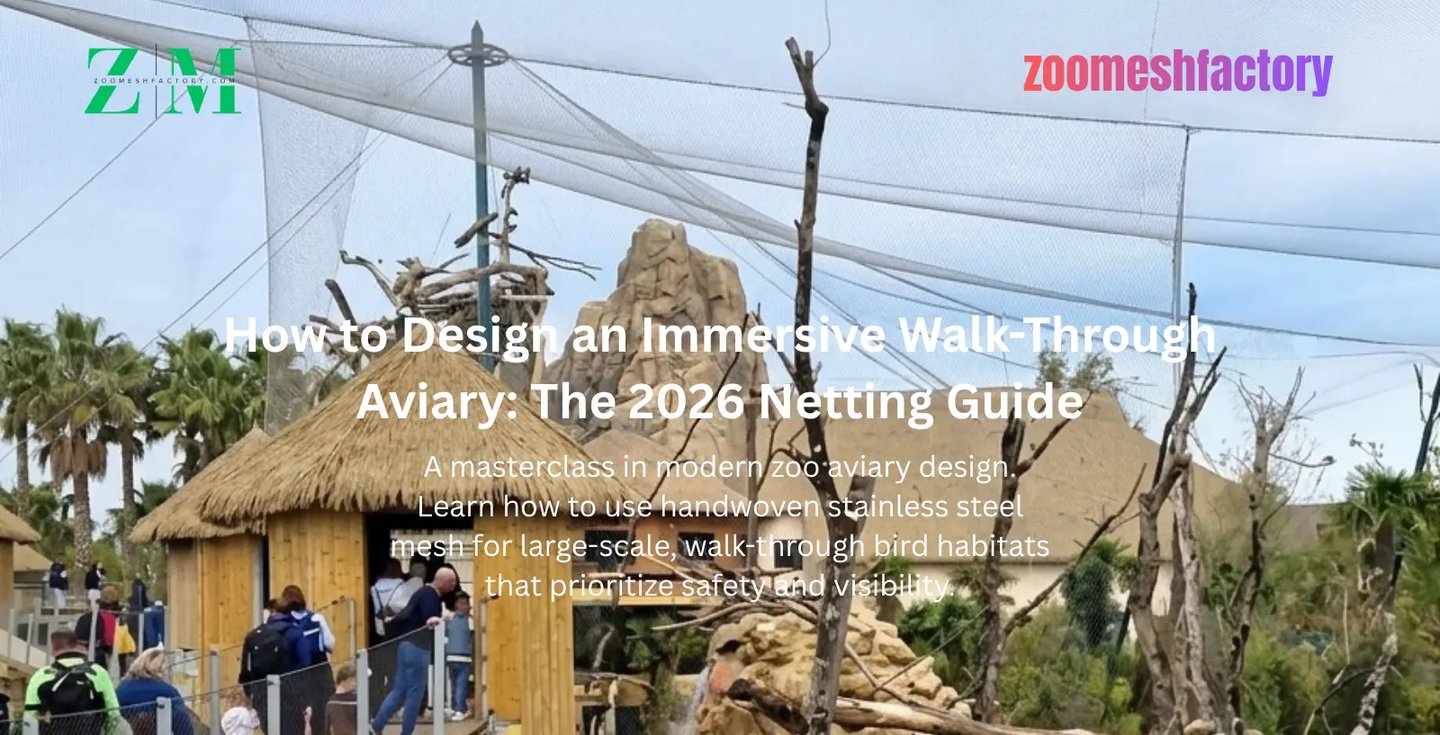
Predator protection requires planning for both aerial and ground predators. A full roof is essential—aviaries must be covered with mesh or solid roofing to prevent hawk, owl, and eagle attacks. For ground predators (foxes, raccoons, snakes), fencing must be buried or extended outward underground to prevent digging.
Escape prevention means selecting mesh that your birds cannot damage or squeeze through. Aperture size must be smaller than the bird's head—not just its body.
Aesthetic and Visibility Considerations
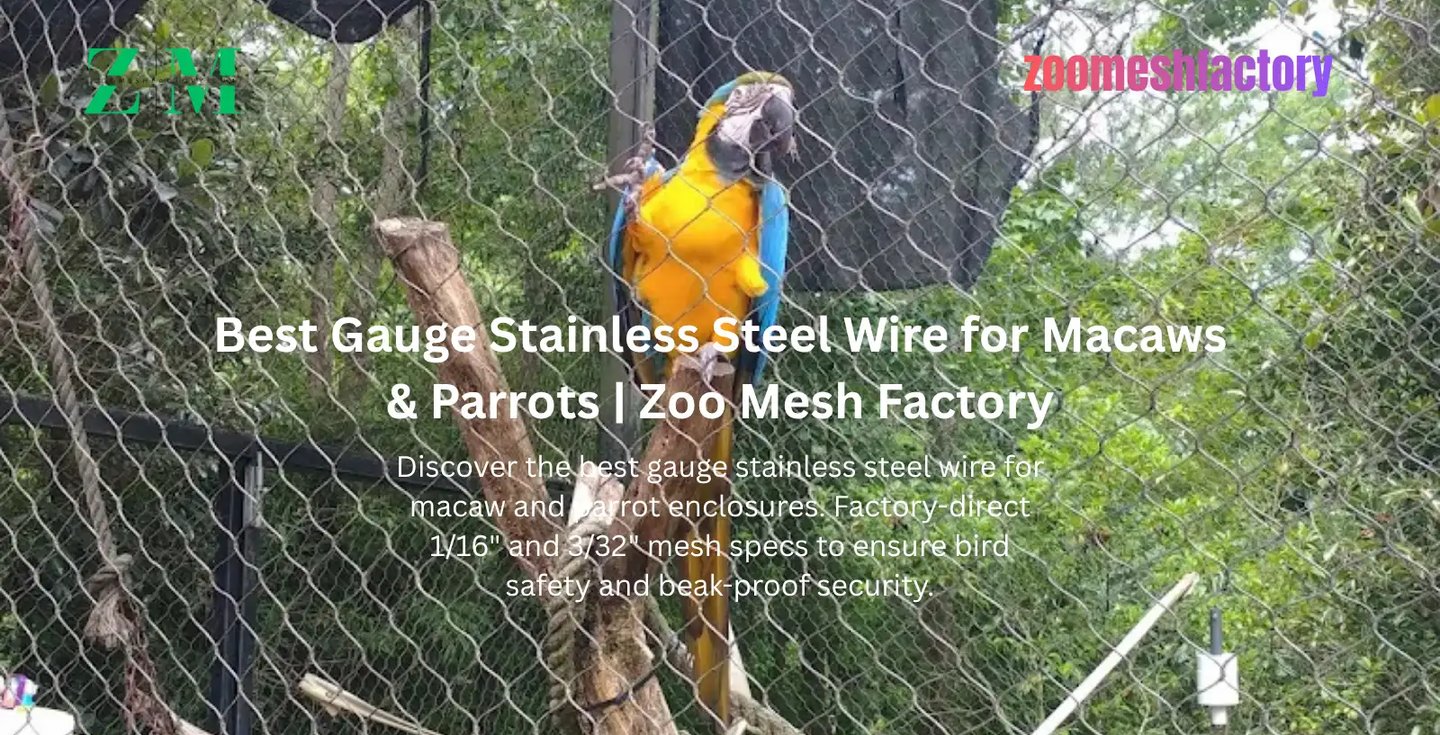
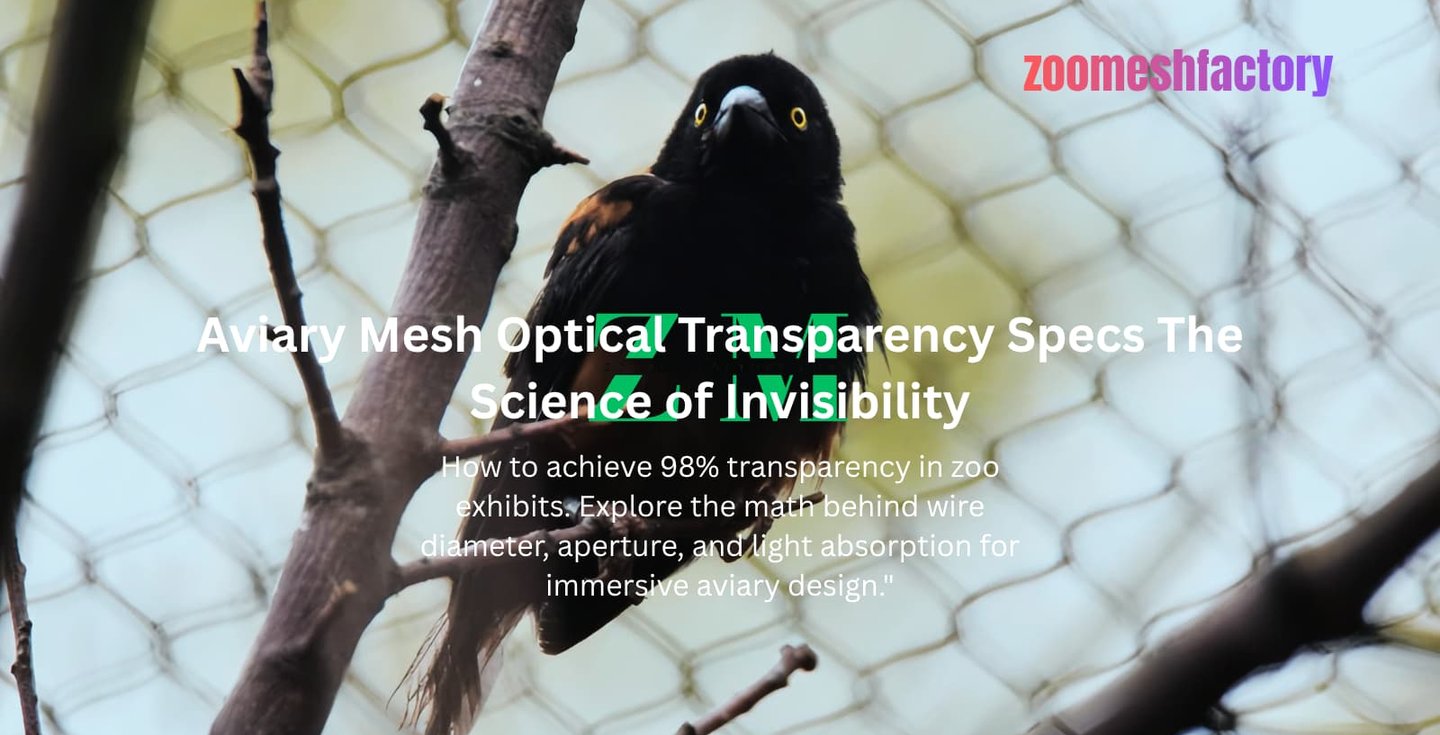
Stainless steel rope mesh offers excellent perspectivity—the diamond-shaped openings provide up to 90% open area, ensuring clear viewing and natural light for birds.The mesh is visually unobtrusive, creating an "invisible barrier" effect that integrates seamlessly with natural surroundings.
Installation Best Practices
Site Preparation and Foundation
Start with proper ground preparation. Level the site and ensure adequate drainage to prevent water pooling around the base of the aviary. For predator protection, trench 12–24 inches deep around the perimeter and bury mesh extending outward in an L-shape to deter digging animals.
Frame Construction
Wood vs. metal framing — both work, but metal frames (galvanized steel or aluminum) offer greater longevity and resistance to rot. Frame height should be at least 8 feet for most bird species to allow adequate flight space.
Mesh Attachment Techniques
Stainless steel rope mesh can be attached using tension systems, clamps, or cable ties. Proper tensioning prevents sagging and ensures the mesh remains taut and secure. For ferrule-type mesh, the ferrules provide natural connection points for attachment hardware.
Roofing and Coverage
Full roof coverage is non-negotiable for outdoor aviaries. Options include:
Stainless steel mesh roofing (continuous coverage)
Corrugated metal or polycarbonate panels (partial shade)
Solid roofing (maximum predator protection)
Entryways and Security Gates
Double-door entry systems prevent escape. Gates should be constructed with the same mesh and frame materials as the aviary, with secure locking mechanisms that cannot be opened by birds or predators.
For step‑by‑step mounting and tensioning instructions, refer to our complete how‑to install hand‑woven stainless steel cable mesh guide.
Cost Analysis and Total Cost of Ownership
Initial Investment by Material Type
Stainless steel aviary mesh price range: approximately $12–$51 per m² depending on specifications
Long-Term Cost Comparison
Consider a 1,000 sq ft aviary:
Galvanized wire: $1,500–$2,500 initial cost + replacement every 3–5 years ($1,500–$2,500 each time) + labor + bird health risks. Total over 30 years: $10,000–$15,000+
Stainless steel: $3,500–$7,000 initial cost + zero replacement for 30+ years. Total over 30 years: $3,500–$7,000
Stainless steel delivers the lowest total cost of ownership despite higher upfront investment.
For a detailed side‑by‑side cost breakdown over 10+ years, see our full comparison of stainless steel vs. galvanized zoo netting cost.
Value Engineering for Commercial Projects
For zoos, sanctuaries, and commercial operations, the value proposition is even stronger. Avoided replacement labor, eliminated veterinary costs from zinc poisoning, and uninterrupted bird habitat make stainless steel the only rational choice for professional installations.
Common Mistakes to Avoid
Choosing the Wrong Mesh Size for Your Bird Species
Selecting mesh that is too large allows escapes or predator access. Mesh that is too fine restricts airflow and visibility. Match aperture size to your specific bird species using the table above.
Underestimating Predator Threats
Many aviary owners focus on side fencing and forget about aerial predators (hawks, owls) and digging predators (foxes, raccoons). A roof and buried barrier are essential—not optional.
Ignoring Material Toxicity Risks
Galvanized wire kills birds. The zinc coating flakes off and is ingested by hook-billed birds, leading to heavy metal poisoning. This is not a theoretical risk—it's a documented cause of avian mortality in aviaries worldwide. Stainless steel is the only non-toxic metal mesh option.
Improper Installation Leading to Premature Failure
Poor tensioning, inadequate framing, or incorrect attachment methods can cause mesh to sag, loosen, or fail. Follow manufacturer guidelines and consider professional installation for large or complex aviaries.
Focusing on Initial Cost Over Lifetime Value
The cheapest option upfront is almost always the most expensive over time. Galvanized wire may save you $2,000 today but will cost you $10,000+ in replacements and bird health issues over 30 years. Buy once, cry once.
Conclusion
Making the Right Investment for Your Birds' Safety and Longevity
Choosing the right aviary fencing is one of the most consequential decisions you will make as a bird keeper or facility manager. Stainless steel rope mesh offers an unmatched combination of safety (non-toxic), durability (30+ years), strength (up to 1,600 lbs tensile), and low total cost of ownership that no other material can match.
Galvanized wire may look cheaper on the price tag, but the hidden costs—zinc poisoning risks, rust replacement every few years, and predator vulnerabilities—make it the most expensive option in the long run. Polypropylene netting and PVC-coated wire fall somewhere in between but still cannot match the performance of stainless steel.
For US and European purchasers who demand the best for their birds and their budgets, stainless steel aviary fencing is not a luxury—it's the only rational choice.
FAQs
Q1: What is the best aviary fencing material for parrots and macaws?
Stainless steel mesh (304 or 316 grade) is widely considered the best option for parrots and macaws due to its non-toxic composition, corrosion resistance, and 30+ year service life.Unlike galvanized wire, stainless steel eliminates the risk of zinc poisoning—a fatal condition for hook-billed birds that use their beaks to climb mesh. Hand-woven stainless steel also offers superior flexibility and up to 90% open area for optimal visibility.
Q2: How much does aviary fencing cost?
Costs vary significantly by material. Premium stainless steel rope mesh ranges from $3.50 to $7.00 per square foot (approximately $12–$51 per m² depending on specifications).Galvanized wire mesh is more affordable initially ($1.00–$2.50/sq ft) but typically lasts only 2–5 years before showing significant corrosion. When calculating total cost of ownership, stainless steel's 30+ year lifespan eliminates recurring replacement labor and material costs. PVC-coated and polypropylene options fall in between but offer shorter service lives.
Q3: What mesh size should I choose for my aviary fencing?
Mesh size (aperture) depends on your bird species. Smaller birds like finches require finer mesh (as small as ½ inch openings) to prevent escapes. Larger birds like macaws can use larger openings (1–1.5 inches) but require sturdier wire gauge (2.4–3.2 mm) to withstand beak strength.The mesh must be small enough to contain the birds safely while large enough to maintain airflow and visibility. Always consider both the bird's size and behavior when selecting aperture dimensions.
Q4: How do I prevent predators from digging under my aviary fencing?
Effective predator prevention requires burying fencing or installing a barrier below ground. Recommended approaches include: trenching and burying mesh 12–24 inches deep, installing an L-shaped footer (mesh extending outward underground) to deter digging animals, or using a solid concrete or wood base buried at least 12 inches. For aerial predators, a fully covered roof is essential—aviaries work best with a proper roof made of stainless steel mesh, corrugated material, or solid roofing.
Q5: How long does aviary fencing last before needing replacement?
Lifespan depends entirely on material choice. Stainless steel aviary fencing (304 or 316 grade) offers 30+ years of service life without rust, corrosion, or structural failure.Galvanized wire mesh typically begins showing significant rust and corrosion within 2–5 years, with flaking zinc posing health risks to birds. Polypropylene netting becomes brittle under UV exposure and may need replacement within 2–3 years. For commercial and long-term installations, stainless steel delivers the lowest total cost of ownership despite higher initial investment.
Ready to Start Your Exhibit Design?
Join the hundreds of zoos and sanctuaries worldwide that trust ZooMesh Factory for their containment needs. Our engineers are ready to help you calculate the perfect mesh size for your species.
Contact
Hebei Zoo Mesh Co., Ltd
No. 188 Zhonghua South Street, Shijiazhuang City, Hebei Province, China
info@zoomeshfactory.com
© 2025. All rights reserved.
Quick Link
Product Catalogs
Don't leave without the specs! Save our factory-direct pricing and technical configurations for your next project meeting. Our 2026 Zoo Mesh Factory Direct Catalog is ready for download.