
Black Oxide Aviary Mesh: The Visual Guide to Invisible Exhibits
Black oxide aviary mesh visual guide: the chemical treatment, UV resistance and species-specific specs behind near-invisible, high-visibility exhibits.
Shijiazhuang Zoo Mesh Co., Ltd
3/7/20269 min read
1. Introduction: The Science of "Invisibility" in Aviary Design
In the world of professional zoological architecture, the most successful barrier is the one that the visitor never notices. This concept, often referred to as visual transparency, is the primary challenge when designing outdoor flight exhibits. While traditional stainless steel mesh offers unparalleled strength, its natural metallic luster creates a significant hurdle: specular reflection.
When sunlight hits a rounded, silver-colored wire, it creates a "glint" or glare. This reflection acts as a visual wall, drawing the human eye to the mesh rather than the birds behind it. For visitors attempting to capture memories, this glare ruins wildlife photography, creating a hazy, high-contrast screen that obscures the vibrant colors of tropical plumage.
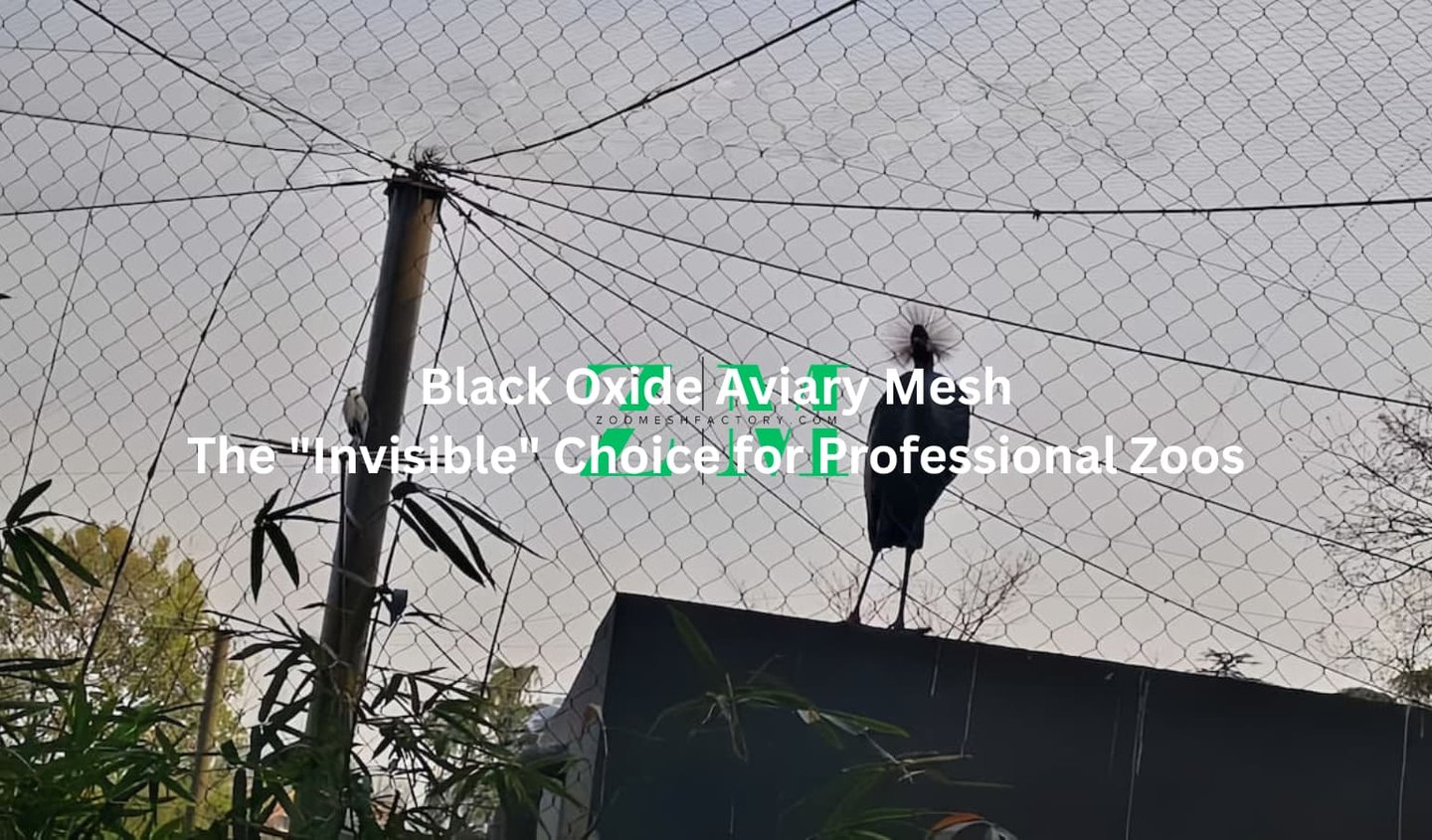
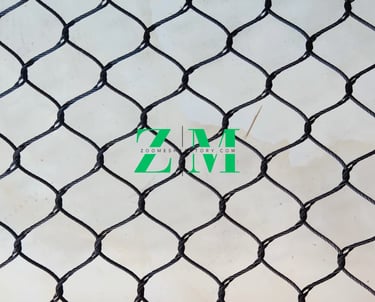
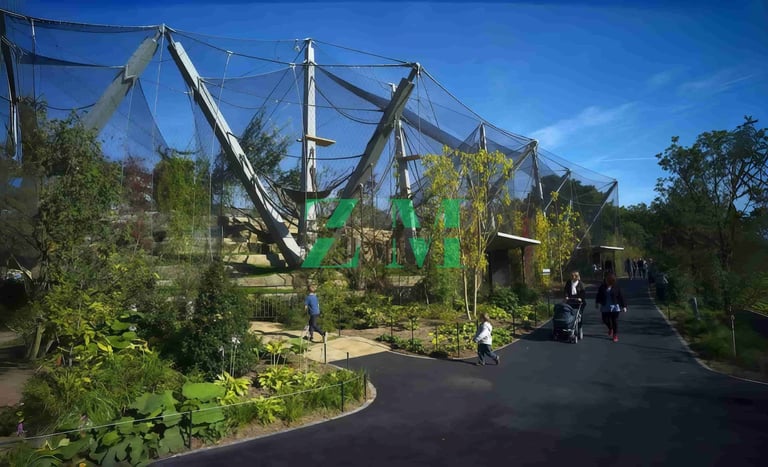
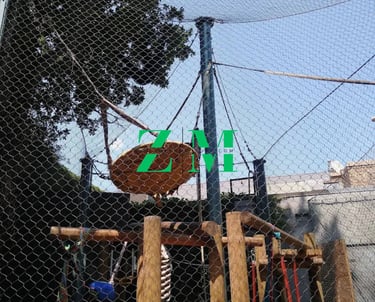
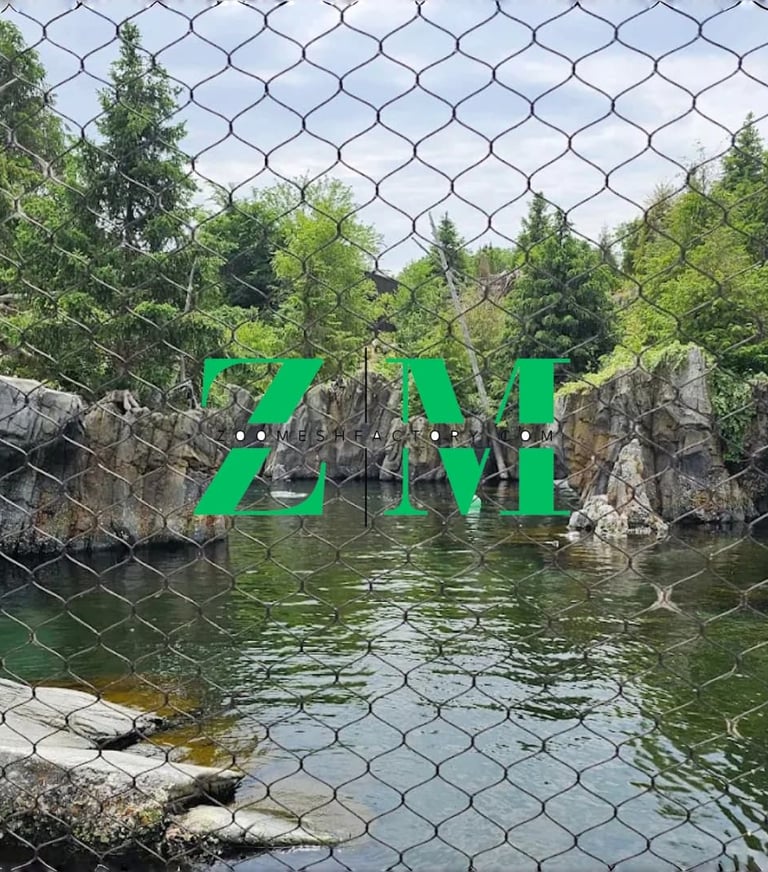
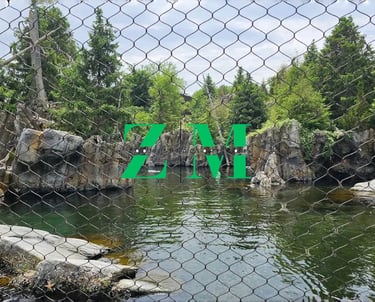
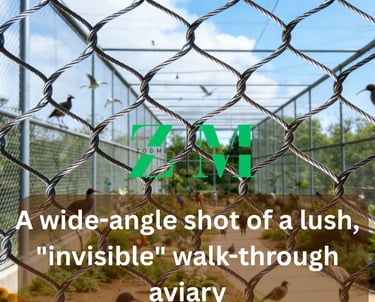
Enter Black Oxide Aviary Mesh. By evolving from the traditional silver finish to a specialized matte black surface, we have moved from a barrier that reflects light to one that absorbs it. This transition isn't just about color; it’s about the physics of light. Darker, non-reflective surfaces allow the eye to focus through the aperture, effectively making the mesh "disappear" against the natural backdrop of trees, shadows, and sky. For modern zoos and high-end private aviaries, this shift marks the transition from "containment" to "immersion."
2. Key Takeaways: Why Professionals Choose Black Oxide
For facility managers and architects seeking a high-performance, aesthetically superior enclosure, Black Oxide Aviary Mesh is the industry-standard solution. Below are the essential technical and practical advantages:
Maximum Transparency: The matte black finish eliminates sunlight glare, providing up to 95% visual clarity and allowing for unobstructed wildlife photography.
Chemical Conversion Finish: Unlike paint or powder coating, black oxide is a chemical transformation of the steel surface. It will not chip, flake, or peel, even under the intense pressure of a parrot’s beak.
100% Bird Safety: The finish is chemically inert and non-toxic. It removes the risk of "Zinc Toxicosis" common with galvanized products and prevents ingestion of paint flakes.
UV and Weather Resistance: The blackened surface is naturally UV-stable, meaning it will not fade or degrade in the intense sun of tropical or desert exhibits.
Base Material Integrity: The process can be applied to both AISI 304 and 316 stainless steel, maintaining the full tensile strength and corrosion resistance of the underlying wire rope.
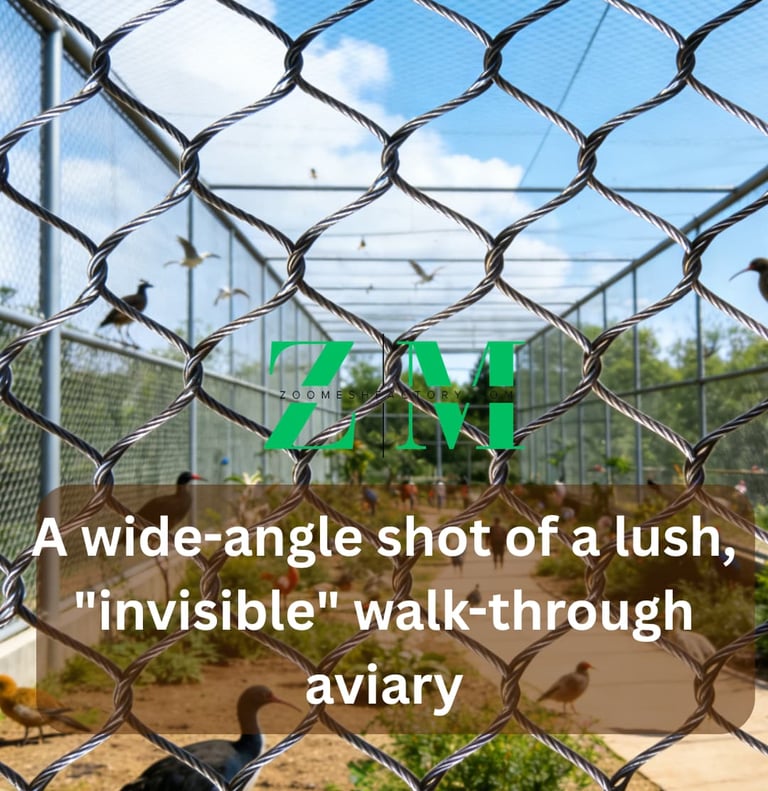
Aesthetic Integration: It provides a "seamless" look that blends into natural landscapes, making it the preferred choice for walk-through aviaries and "immersion" exhibits.
3. What exactly is Black Oxide Treatment?
In the procurement of Black Oxide Aviary Mesh, the most common misconception is that the mesh has been "painted" or "dipped" in a black coating. To an architect or a bird curator, the distinction between a coating and a chemical conversion is the difference between a lifetime solution and a maintenance nightmare.
Defining the Chemical Conversion Process
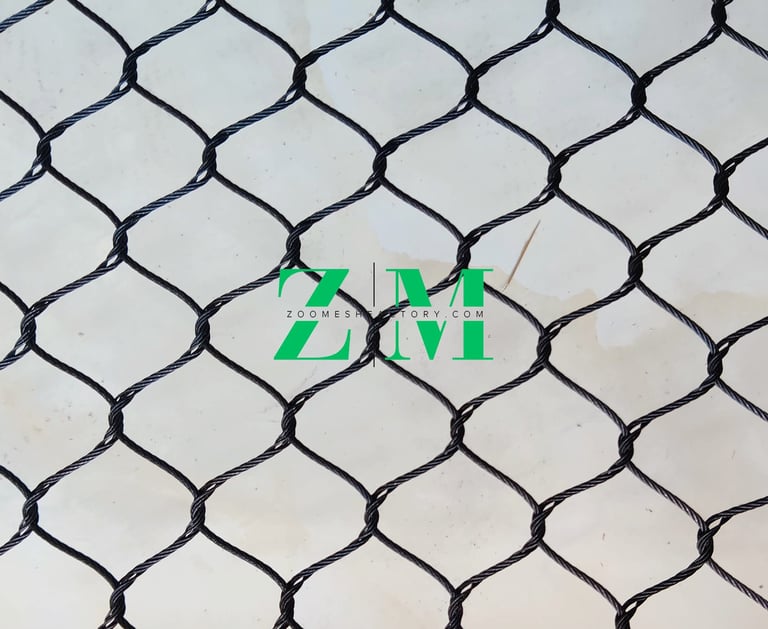
Unlike powder coating or painting—which adds a layer of material on top of the steel—Black Oxide is a chemical conversion coating. The stainless steel mesh is submerged in a series of heated alkaline salt baths. This triggers a microscopic chemical reaction with the iron in the stainless steel alloy, transforming the surface layer into magnetite (Fe3O4).
Because this is a transformation of the metal itself, there is no change to the dimensional tolerances of the wire rope. The black finish becomes an integral part of the steel, not an external shell.
Why It Doesn't Flake, Peel, or Crack
The primary danger of using "painted" mesh in an aviary is the birds themselves. Parrots, macaws, and cockatoos use the mesh as a ladder, applying immense localized pressure with their beaks.
Traditional Paint/Powder Coat: Under the mechanical stress of a beak, paint will eventually crack and flake off. This is not only an aesthetic failure but a severe health risk, as birds may ingest the toxic flakes.
Black Oxide: Because there is no "layer" to chip, the finish remains intact regardless of how much the birds climb or chew. It cannot "peel" because it is molecularly bonded to the base wire. Even under the extreme tension required for a 7x7 wire rope structure, the finish remains uniform and stable.
The Critical Difference: "Blackened" vs. "Painted" Mesh
When sourcing your aviary netting supplies, it is vital to specify a chemical oxide finish. Below is a comparison of why professionals avoid painted mesh:
5. Material Specs: 304 vs. 316 in Black Oxide
When choosing Black Oxide Aviary Mesh, the first technical decision isn't the color, but the alloy beneath it. A common question from project engineers is whether the chemical blackening process alters the structural integrity or the corrosion resistance of the stainless steel. The answer lies in understanding how the oxide layer interacts with the specific chemistry of AISI 304 and AISI 316 grades.
Can You Blacken Both Grades?
Yes. Both AISI 304 and AISI 316 stainless steel are perfectly suited for the black oxide treatment. Because the process is a chemical conversion of the surface iron, it works effectively on any austenitic stainless steel.
The resulting finish is visually identical on both grades—a deep, matte charcoal black. This allows architects to maintain a consistent aesthetic throughout a large zoo facility, even if they choose 316 for "splash zones" near water features and 304 for standard dry enclosures.
Maintaining Anti-Corrosive Properties
One of the primary advantages of Black Oxide Aviary Mesh over painted alternatives is that it does not compromise the "self-healing" nature of stainless steel.
The Passive Layer: Stainless steel relies on a thin, invisible layer of chromium oxide to prevent rust. The black oxide process essentially replaces this with a thicker, more stable magnetite layer.
Corrosion Resistance: While the blackening process adds a very slight amount of oil-based protection during the final sealing stage, the core corrosion resistance still depends on the base alloy.
SS304 remains the standard for inland exhibits.
SS316 remains the requirement for salt-air or heavy-pollution environments.
Longevity Expectations: Tropical vs. Temperate Climates
The lifespan of your aviary mesh is a direct result of the synergy between the climate and the chosen alloy.
Temperate Climates (Europe, North America): In regions with moderate humidity and seasonal changes, Black Oxide 304 mesh is a "set-and-forget" solution. You can expect a service life of 30+ years with virtually no maintenance beyond occasional rinsing of dust.
Tropical & Rainforest Exhibits: In high-humidity environments or indoor "Cloud Forest" exhibits with constant misting, the black finish helps hide organic buildup (like algae) better than silver mesh. However, we highly recommend SS316 for these zones to prevent microscopic pitting under the moisture.
Coastal Zoos: For any exhibit within 5km of the ocean, the salt-spray resistance of Marine Grade 316 is mandatory. The black oxide finish will hold its deep color, but the 316 base prevents the "tea-staining" that can occur on lower grades.
6. Species Application: From Songbirds to Macaws
Selecting Black Oxide Aviary Mesh is more than an aesthetic choice; it is a critical safety decision tailored to the specific biology and behavior of the birds in your care. From the delicate flight patterns of nectar-feeders to the powerful crushing force of a hyacinth macaw, the finish and structure of the mesh must perform under constant biological stress.
Why Black Oxide is Safer: Reducing Strike Risk
One of the leading causes of injury in new aviary exhibits is "collision trauma." In bright sunlight, natural silver mesh can become so reflective that birds—especially fast-flying songbirds or startled raptors—cannot perceive the barrier, leading to high-speed strikes.
Visual Definition: Black Oxide Aviary Mesh provides a clear, dark "silhouette" against the sky or foliage. Even though it is "invisible" to the human eye at a distance, the lack of glare allows birds to perceive the plane of the mesh much earlier, significantly reducing the risk of flight-related injuries.
Non-Toxic Assurance: Because the finish is a chemical conversion (magnetite) and not a lead-based paint or a zinc-heavy galvanization, it eliminates the risk of Heavy Metal Poisoning for birds that use their beaks to explore their surroundings.
Aperture Selection for Various Flight Behaviors
The "aperture" or opening size of your black mesh should be dictated by the smallest inhabitant or the most aggressive predator in your region.
Small Songbirds & Finches: We recommend a 20mm x 20mm or 25mm x 25mm aperture with a 1.2mm wire. This keeps small birds contained while the black finish ensures they aren't stressed by a "shimmering" silver wall.
Mixed Tropical Exhibits: A 30mm to 40mm aperture is the industry standard. This provides enough strength to support larger plants growing near the mesh while maintaining 90% transparency for visitors.
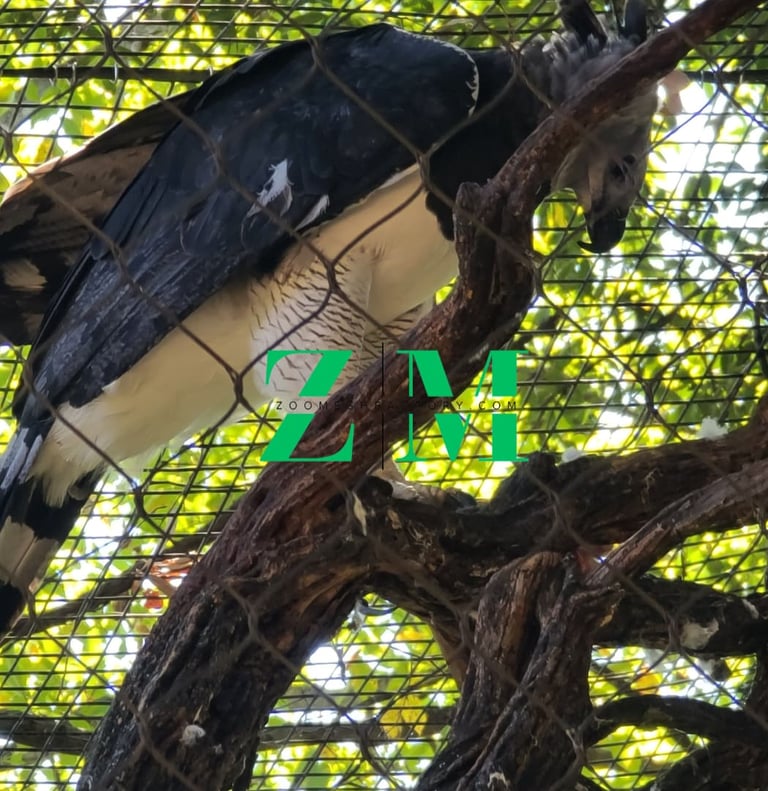
Large Raptors: For eagles and owls, a larger 50mm to 60mm aperture is used. The black oxide helps the raptors stay calm by reducing external visual "noise" from the public walkway.
Durability Against "Climbing" Stress
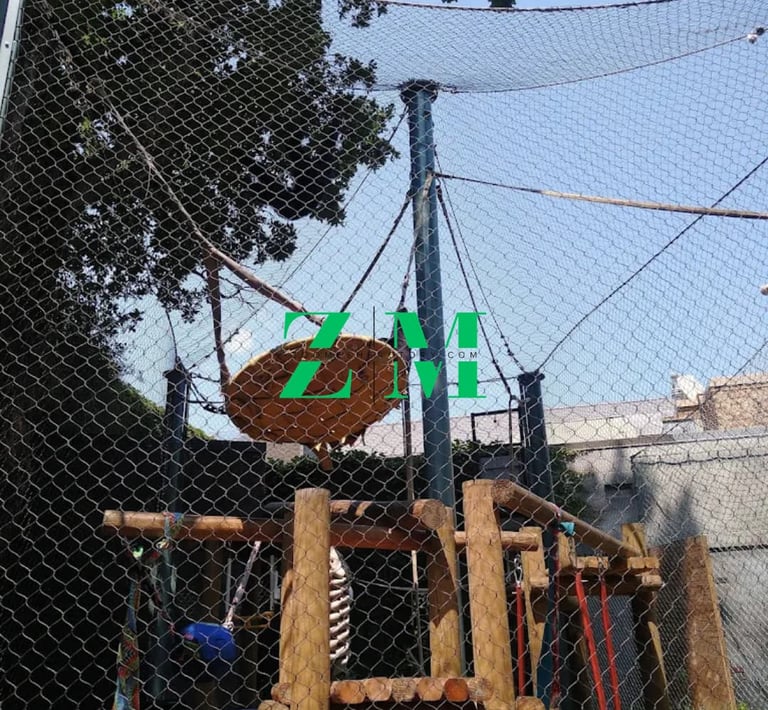
Hook-billed birds, such as Parrots and Macaws, do not just fly; they climb. They use the mesh as a vertical ladder, exerting massive torque on the wire rope strands and ferrules.
Resisting Mechanical Wear: Because the black oxide is molecularly bonded to the 7x7 stainless steel rope, it does not crack or flake under the constant "pinching" action of a parrot's beak.
Grip and Enrichment: The matte texture of the black oxide provides a slightly better "grip" for birds compared to the slick surface of polished stainless steel. This encourages natural climbing behavior, which is essential for the muscular and psychological health of primates and psittacines alike.
7. Installation & Hardware: Completing the Look
The "invisible" effect of Black Oxide Aviary Mesh is only as good as the hardware that supports it. A common mistake in professional installations is using high-performance black mesh but pairing it with standard silver hardware. This creates a "dotted line" effect that draws the eye to the perimeter and breaks the guest's immersion.
Using Black Oxide Lacing Wire and Ferrules
To achieve a truly seamless appearance, every component of the aviary netting supplies kit must be color-matched.
Lacing Wire: We provide specialized 1.2mm or 1.5mm black oxide lacing wire. This allows the installers to "sew" the mesh panels to the frame without visible silver loops.
Blackened Ferrules: If you are using ferruled mesh, ensure the ferrules themselves have undergone the oxide treatment. Silver ferrules on black mesh look like thousands of bright spots, which ruins the "disappearing" quality of the exhibit.
Boundary Cable Integration
The boundary cable—the heavy-duty wire rope that carries the structural load—should also be specified in a black finish. When a black boundary cable is used, the transition from the structural frame to the flexible mesh becomes nearly imperceptible. For large-span aviaries, using 7x19 black oxide cables ensures the perimeter is as flexible and discreet as the netting itself.
Avoiding "Shiny Spots" in a Matte Installation
During installation, tools like pliers or swaging presses can sometimes scratch the surface of the hardware.
Pro Tip: We recommend a "Black-Touch" kit for installers. This includes a cold-blackening solution or a high-grade matte industrial pen to touch up any bright steel exposed during the crimping or cutting process. This ensures that when the sun hits the exhibit, there are zero "shiny spots" to distract the eye.
8. Maintenance and Cleaning
One of the greatest operational advantages of Black Oxide Aviary Mesh is its extremely low maintenance profile. Unlike painted surfaces that require repainting every 5–7 years, or galvanized steel that eventually "whites out" with oxidation, black oxide remains stable for decades.
Does the Black Finish Fade?
A frequent concern for curators in high-UV regions (like Australia, Florida, or Southeast Asia) is whether the black will turn gray or "chalk" over time.
UV Stability: Because the black color is a chemical magnetite transformation (Fe3O4), it is inherently UV-stable. It does not contain organic pigments that break down under solar radiation. The black you see on Day 1 will be the same black you see in Year 20.
Cleaning Protocols: Rain vs. Pressure Washing
In an outdoor environment, dust, pollen, and bird droppings are inevitable.
Natural Rinsing: In most temperate climates, regular rainfall is sufficient to keep the mesh clean. The smooth surface of the wire rope allows debris to wash away easily.
Pressure Washing: For indoor tropical houses or during dry seasons, the mesh can be pressure washed.
Caution: Use a wide-fan spray pattern and avoid industrial chemical cleaners. Pure water or a mild, bird-safe pH-neutral detergent is all that is required.
Organic Growth: In very humid "Cloud Forest" exhibits, moss or algae may occasionally grow on the mesh. Because the finish is matte black, this organic growth is much less visible than it would be on silver mesh, maintaining the exhibit’s beauty between deep cleanings.
9. Comparative Analysis: Cost vs. Aesthetic Value
When reviewing a budget for aviary netting supplies, the Black Oxide finish is often categorized as a "premium" upgrade. While the initial material cost is higher than natural silver stainless steel, the Return on Investment (ROI) is measured in visitor engagement and operational longevity.
Initial Investment vs. Visitor Satisfaction
The cost premium for black oxide typically ranges from 10% to 15% above the price of standard stainless steel mesh. However, in a professional zoo setting, the barrier is the most criticized element of an exhibit.
The "Invisible" Premium: By removing the visual distraction of silver glare, you increase the "dwell time" (how long a visitor stays at an exhibit).
Photography Marketing: In the digital age, visitors act as your marketing team. An exhibit that allows for clear, professional-quality smartphone photos results in significantly higher social media exposure for your facility.
Long-Term ROI through Longevity
Because the finish is a chemical conversion, you eliminate the recurring costs of maintenance.
No Re-coating: Unlike painted mesh, which requires expensive labor and hazardous materials to refresh, black oxide never needs to be reapplied.
Algae Concealment: In humid exhibits, natural silver mesh can look "dirty" very quickly as organic matter builds up. The matte black finish masks these minor imperfections, extending the time required between professional cleanings.
10. Conclusion: Engineering the Future of Zoo Exhibits
The shift toward Black Oxide Aviary Mesh represents a milestone in zoological design. We are moving away from the era of "caging" animals and toward a philosophy of shared environments. By utilizing the physics of light absorption, we can provide the structural security of AISI 304/316 stainless steel while psychologically removing the barrier for the guest.
Whether you are designing a high-tensile enclosure for large raptors or a delicate walk-through sanctuary for tropical songbirds, the choice of finish is what defines the final experience. Black Oxide is not just a color; it is a tool for immersion.
By partnering with a factory that understands the nuances of chemical conversion, custom panel sizing, and bird-safe hardware, you ensure that your exhibit remains safe, beautiful, and "invisible" for decades to come.
Ready to Start Your Exhibit Design?
Join the hundreds of zoos and sanctuaries worldwide that trust ZooMesh Factory for their containment needs. Our engineers are ready to help you calculate the perfect mesh size for your species.
Contact
Hebei Zoo Mesh Co., Ltd
No. 188 Zhonghua South Street, Shijiazhuang City, Hebei Province, China
info@zoomeshfactory.com
© 2025. All rights reserved.
Quick Link
Product Catalogs
Don't leave without the specs! Save our factory-direct pricing and technical configurations for your next project meeting. Our 2026 Zoo Mesh Factory Direct Catalog is ready for download.